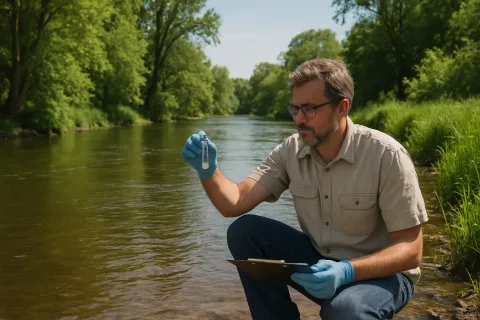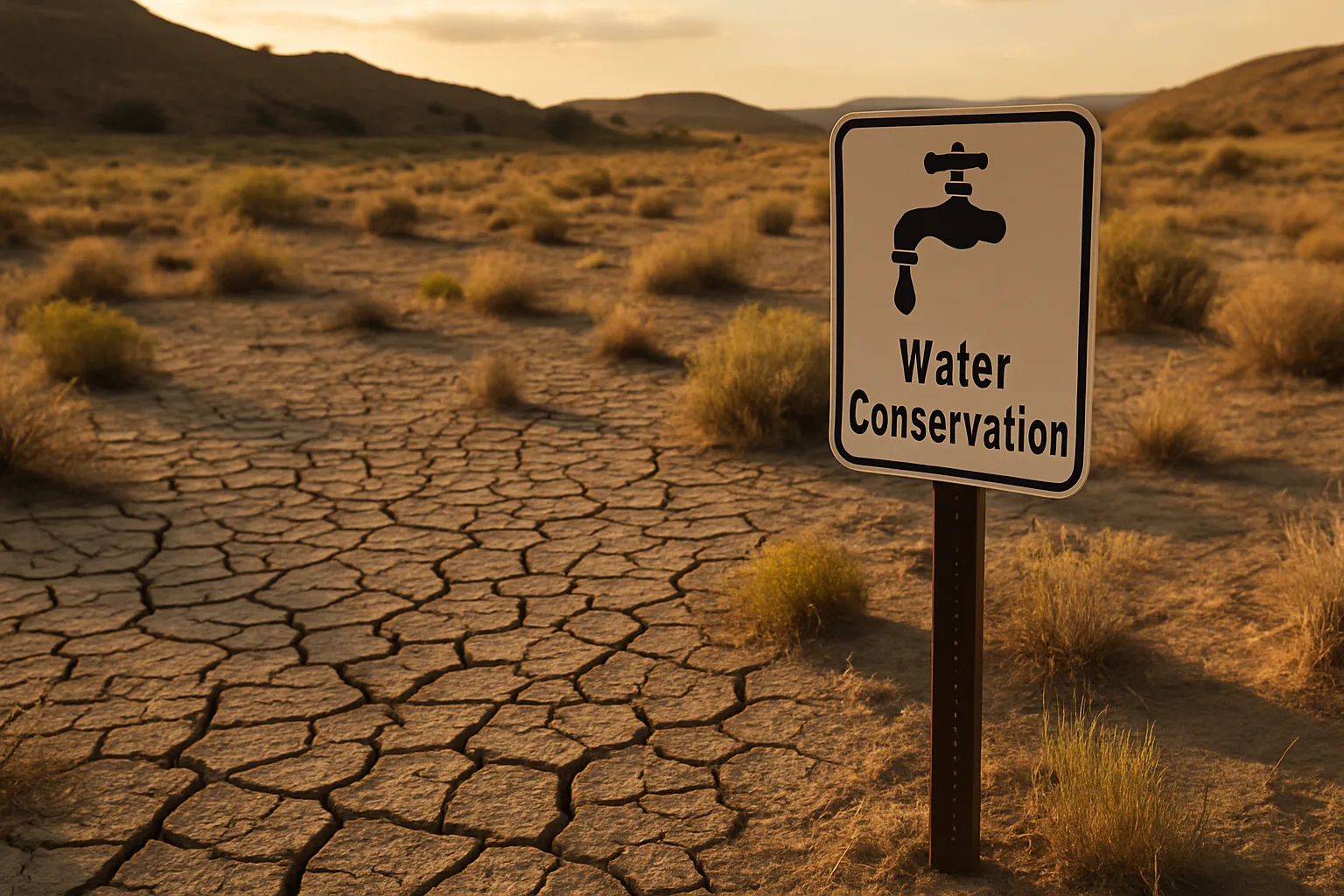
The United States is witnessing an extensive period of drought that has raised concerns regarding water availability, agricultural production, and overall ecological stability. This prolonged drought, known colloquially as a megadrought, has particularly affected the western regions of the country.
Experts suggest that several interconnected factors contribute to the persistence of this megadrought. Climatic conditions, including increased temperatures and variable precipitation patterns, play significant roles in exacerbating water shortages.
Additionally, human activities such as water management practices and land use have also influenced the region's resilience to drought conditions. The combination of these factors has led some areas to face severe water restrictions, impacting not only residential water use but also agricultural irrigation.
The consequences of the megadrought extend beyond immediate water shortages. Ecosystems are strained as wildlife habitats diminish and plant species struggle to survive in increasingly arid conditions. Furthermore, agriculture is hit hard, as reduced water availability threatens crop yields and food security in these affected areas.
AS a result, the fight against this megadrought is crucial, with various strategies being considered to mitigate its effects. Water conservation measures, sustainable farming practices, and investments in new technologies are potential solutions aimed at both alleviating current stress and preparing for future climatic challenges.
Evaluations of long-term forecasts indicate that recovery from the megadrought may require not only regional efforts but also a shift in broader policies regarding water use and climate adaptability. As scientific research advances, there is hope that better understanding will lead to more effective responses to these pressing challenges.
The future remains uncertain as climate patterns evolve, but continuous monitoring and proactive measures could pave the way for a reduction in the severity of the megadrought. The community's ability to adapt to changing conditions will be critical in overcoming the present challenges and preventing similar situations in the future.
Moving forward, scientists and policymakers alike will need to prioritize actions that promote resilience in water usage, support adaptation strategies for agriculture, and enhance collaborative efforts to manage this vital resource. As conditions persist, the dialogue around the future of water supply and drought recovery will undoubtedly continue to grow in importance.
First reported by news.google.com .